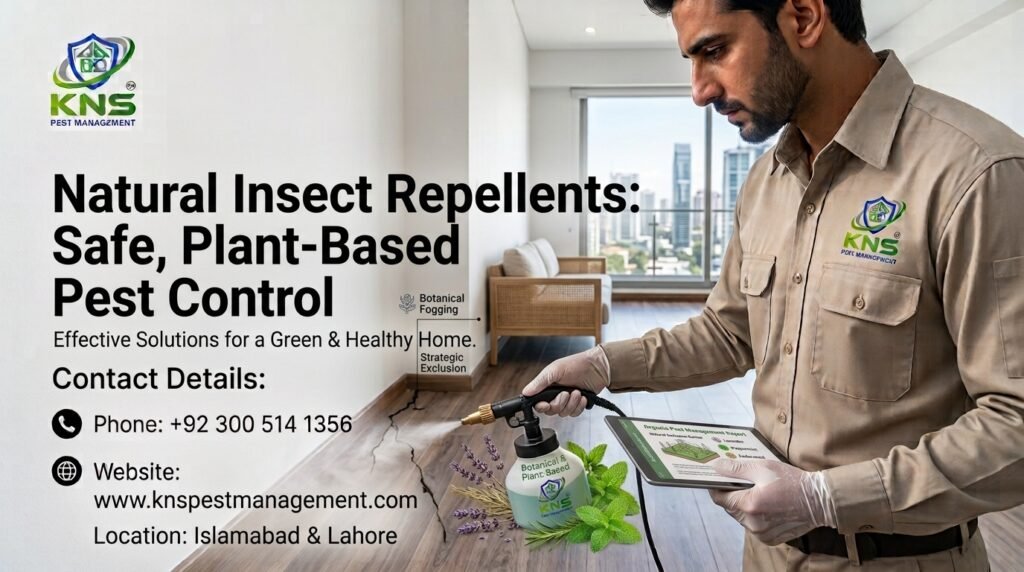
More families are asking the same question: can we keep bugs away without heavy chemicals? It is a fair concern, especially with kids and pets at home. Natural insect repellents are popular for good reason, but they come with a lot of myths. Here is an honest look at what helps, what does not, and where a smarter approach to eco insect control fits in.
The Natural Options People Use Most
Neem oil. Traditionally used in South Asia and common in garden pest routines.
Citronella. Found in candles, sprays and coils, mostly used outdoors against mosquitoes.
Eucalyptus and peppermint oils. Popular essential oils for bugs like ants, flies and mosquitoes in small spaces.
Oil of lemon eucalyptus. Health agencies such as the CDC recognise it as a plant-based repellent with real evidence behind it, which makes it one of the better natural mosquito repellent options.
Vinegar and household mixes. Useful for cleaning ant trails, not for solving infestations.
Cloves, bay leaves and camphor. Often placed in storage spaces as a deterrent.
Where Natural Repellents Actually Help
Natural insect repellents can lower the number of nuisance insects on a balcony, reduce mosquito bites for a few hours outdoors, and make a room less appealing when used alongside good hygiene. Think of them as a first layer of prevention, not a complete solution. Used this way, they fit nicely into an eco-friendly pest control routine.
Where They Fall Short
Natural repellents rarely eliminate an established problem. Their effect fades quickly, often within a couple of hours, and needs frequent reapplication. They also do nothing to a colony living inside a wall. A few examples:
- Termites live in soil and wood, so no oil or spray will reach a hidden colony. See how professional termite control works.
- Bed bugs hide deep in seams and frames, and home remedies seldom reach them. Our page on bed bug control in Lahore explains a more reliable approach.
- Dengue mosquitoes breed in small pools of water, so removing that water matters more than any repellent. Try our dengue prevention checklist.
Are Natural Products Automatically Safe?
Not always. “Natural” does not mean harmless. Essential oils can irritate skin, and some are unsafe for cats, dogs or small children when used carelessly. Always dilute properly, patch-test on a small area and keep products out of reach of pets and kids. If you are unsure, ask a professional before spraying anything at home. Safe pest control for kids and pets is about the right product, the right amount and the right aftercare, not just the label on the bottle.
What Eco-Friendly Pest Control Really Means
Many people search for “pest control eco” hoping for a chemical-free fix. The reality is more balanced. The idea is not to avoid treatment, it is to be smarter about it:
- Remove food, water and shelter that attract pests
- Seal cracks and entry points
- Use targeted treatment rather than blanket spraying
- Choose products suited to the pest and follow safety instructions
- Monitor and follow up instead of reacting after the fact
Prevention does most of the heavy lifting. Treatment covers the rest. You can learn more about how we handle different pests on our pest control services page.
A Simple Home Routine That Actually Works
- Keep food sealed and wipe kitchen surfaces every night
- Take out rubbish daily and clean the bin
- Fix leaking taps and pipes
- Empty flower pots, buckets and coolers weekly
- Have water tanks checked and cleaned, and consider our water tank cleaning service if yours has not been cleaned recently
- Use natural repellents outdoors as an extra layer
When It Is Time to Call a Professional
Call for help if you see repeated infestations, termite signs, bed bugs, a rodent problem or mosquito breeding you cannot control. If you are in Lahore and mosquitoes are a concern, look at our mosquito control services for fast, targeted support. You can also contact us and ask about low-impact options for your home.
Conclusion
Natural insect repellents can be a useful first layer, especially outdoors, but they are not a cure for established infestations. Combine them with good hygiene, moisture control and safe, targeted treatment when needed, and you get protection that actually lasts.
Frequently Asked Questions
What is the most effective natural insect repellent?
Oil of lemon eucalyptus is one of the better-supported plant-based options for mosquitoes. Effects still wear off, so reapply as directed.
Do essential oils really repel bugs?
Some offer short-term protection, but results are inconsistent and shorter-lived than proven repellents.
Does neem oil kill mosquitoes?
It may reduce their numbers around the home, but it will not solve breeding in stagnant water.
Does citronella really work?
Citronella can give short-term protection outdoors, but it fades quickly and works best alongside other steps.
Is natural pest control effective against cockroaches and termites?
Not on its own. Hygiene and prevention help, but established infestations need targeted treatment.
Is eco-friendly pest control safe for pets?
It can be, when products are chosen and applied correctly. Always ask about precautions for cats, dogs and small children.
Talk to Us
Call +92 300 514 1356 for advice on safe, targeted pest control.